
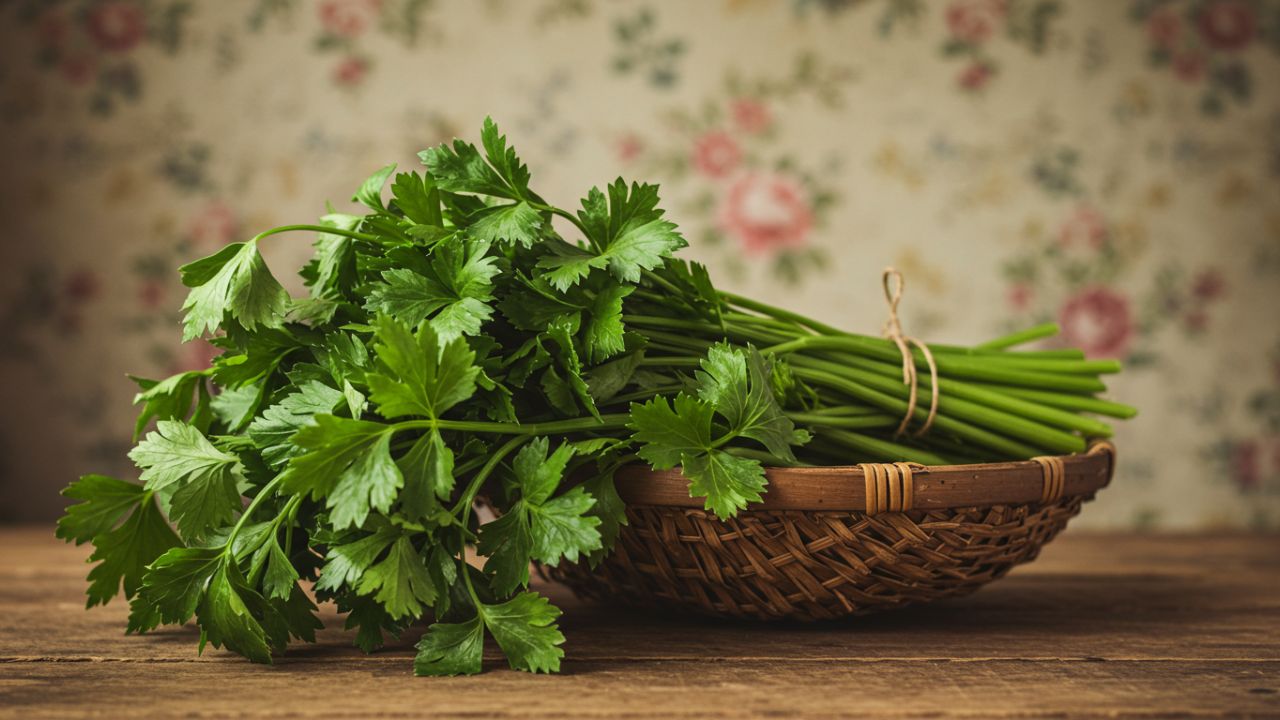
Introduction to Pravi Celer (Parsley Root)
If you’re on the hunt for a nutrient-packed vegetable that can elevate your meals and boost your health, look no further than pravi celer, also known as parsley root. This under-the-radar gem is often overshadowed by its more popular relatives like carrots and potatoes. However, it’s time to shine a spotlight on this versatile root vegetable. Pravi celer offers a unique flavor profile earthy and slightly sweet that can transform ordinary dishes into culinary delights. Beyond its taste, it’s brimming with vitamins and minerals that promote overall well-being. Whether you’re looking to enhance your diet or simply explore new ingredients in the kitchen, pravic celer deserves a place at your table.
Join us as we delve deeper into this remarkable vegetable’s history, nutritional benefits, cooking tips, and delicious recipes that will have you reaching for pravi celer every time you hit the grocery store!
History and Origins of Pravi Celer
Pravi celer, commonly known as parsley root, has a rich history that dates back centuries. Originating in the Mediterranean region, it was cultivated by ancient Greeks and Romans for both culinary and medicinal uses. This versatile vegetable made its way to Northern Europe during the Middle Ages. Farmers appreciated its hardiness and unique flavor, making it a staple in many households.
In Poland and other Eastern European countries, pravi celer gained popularity as a winter vegetable. Its ability to thrive in colder climates extended its use through harsh winters when fresh produce was scarce. Today, while often overshadowed by more common vegetables like carrots or potatoes, pravi celer is slowly regaining attention. Chefs are beginning to recognize its distinct taste and health benefits once again.
Nutritional Value and Health Benefits of Pravi Celer
Pravi celer, or parsley root, is a nutritional powerhouse. It is low in calories yet rich in essential vitamins and minerals. This vegetable provides significant amounts of vitamin C, which supports the immune system and promotes healthy skin. Moreover, it contains fiber that aids digestion and helps maintain a healthy gut. Its potassium content assists in regulating blood pressure levels. Another impressive aspect of pravi celer is its antioxidant properties. These compounds combat oxidative stress and may reduce inflammation in the body.
Additionally, this root vegetable has been linked to improved heart health due to its ability to lower cholesterol levels naturally. Incorporating pravi celer into your diet can boost overall wellness while offering unique flavors to your meals.
How to Incorporate Pravi into Your Diet
Pravi celer is a versatile vegetable that can add depth to various dishes. One of the simplest ways to enjoy it is by roasting. Chop the root into cubes, toss with olive oil, salt, and pepper, then roast until golden. For a soup with character, sauté onions and garlic in your pot before adding diced pravi celer. Let it simmer with broth for a comforting meal packed with flavor. You can also use this root in salads. Shred it finely and mix it with carrots and apples for a refreshing coleslaw twist.
If you’re looking for something unique, try pureeing cooked pravi celer into creamy spreads or dips. Blend it with nuts or seeds for added texture. Don’t forget about smoothies! Adding small amounts of raw pravi celer can provide an earthy note while boosting nutrients without overwhelming other flavors.
Recipes and Cooking Tips for Pravi
Pravi or parsley root, is incredibly versatile in the kitchen. One popular way to enjoy it is by roasting. Toss peeled and chopped roots with olive oil, salt, and your favorite herbs before baking until golden. For a comforting soup, simmer diced pravi celer with onions, garlic, and vegetable broth. Blend until smooth for a creamy texture that warms the soul.
If you’re looking for something lighter, try grating raw pravi celer into salads. Its crispness adds an interesting crunch along with a subtle earthy flavor. Don’t forget about incorporating it into stir-fries! Slice thinly and add to your mix of vegetables for an aromatic twist. Experimenting with spices like cumin or paprika can elevate your dishes even further. Pravi celer’s unique taste pairs well with various seasonings—don’t hesitate to get creative!
Comparing Pravi Celer to Other Popular Vegetables
Pravi stands out among popular vegetables for its unique flavor and versatility. Unlike carrots, which are often sweet and crunchy, pravi celer has a more earthy taste that adds depth to dishes. When compared to celery stalks, this root vegetable packs a stronger nutritional punch with higher levels of vitamins and minerals. Its fibrous texture also offers a delightful bite in soups or stews.
While potatoes may be the go-to comfort food, pravi celer can serve as an excellent low-carb alternative. It provides essential nutrients without the extra starchiness.
Kale boasts impressive health benefits but lacks the subtle sweetness found in pravi celer. This makes it easier to incorporate into various recipes without overwhelming other flavors. With its distinctive qualities, pravi celer deserves a place alongside these familiar vegetables on our plates.
Conclusion: Why You Should Add Pravi Celer to Your Grocery List
Pravi or parsley root, is a hidden gem in the vegetable world that deserves your attention. Packed with nutrients and health benefits, this versatile veggie can elevate both your meals and well-being. Its unique flavor profile adds depth to dishes while providing essential vitamins and minerals.
Incorporating pravi celer into your diet is easy—whether you choose to roast it, mash it, or toss it into soups and salads. The possibilities are endless! Plus, when compared to other popular vegetables like carrots or potatoes, pravi celer offers its own distinct advantages.
As more people discover the rich history and nutritional value of this remarkable root vegetable, it’s time for you to give it a try too. Next time you’re at the grocery store or farmer’s market, consider adding pravi to your shopping list. Your taste buds—and body—will thank you for it!